
Why Do Cats Get Hairballs? Prevention Tips for a Healthier Cat
At Langley Animal Clinic, we help cat owners throughout Langley, BC navigate common feline health concerns, including managing hairballs effectively. Let’s explore the science behind these unwelcome surprises and what you can do to reduce their frequency.
The Bottom Line: While occasional hairballs are a normal part of cat ownership, frequent hairballs (more than twice monthly) may signal underlying health issues. Regular brushing, proper nutrition, and adequate hydration can significantly reduce hairball formation. If your cat shows signs of distress, stops eating, or can’t produce a hairball after repeated retching, veterinary attention is needed.
The Science Behind Cat Hairballs
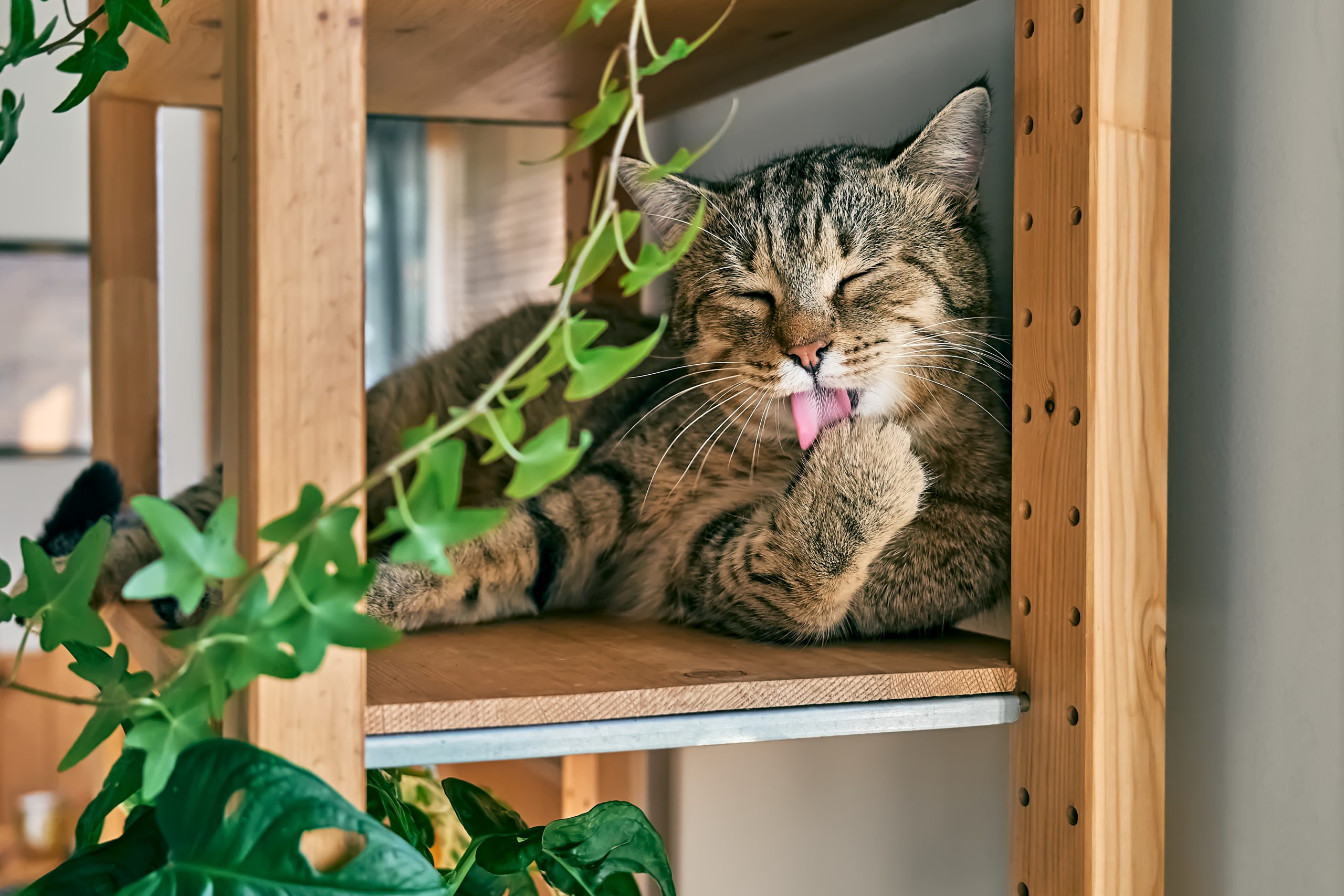
Hairballs, medically known as trichobezoars, are a natural consequence of your cat’s grooming behaviour. Cats are meticulous groomers, spending up to 50% of their waking hours cleaning themselves. Their tongues are covered in tiny, backward-facing barbs called papillae that act like a comb, catching loose and dead hair.
When your cat grooms, these captured hairs are swallowed. Most of this hair passes through the digestive system without issue and is eliminated in the feces. However, when hair accumulates in the stomach instead of moving through, it forms a compact mass that eventually needs to come back up—resulting in a hairball.
This process is completely normal for cats. The grooming instinct is deeply ingrained and serves multiple purposes: it removes dirt and parasites, regulates body temperature, and even provides emotional comfort during stressful times.
When Hairballs Cross the Line from Normal to Problematic
While the occasional hairball is expected, frequency matters. A healthy cat might produce one or two hairballs per month. If your cat is hacking up hairballs weekly or even more frequently, it’s time to investigate why.
Excessive hairballs can indicate several underlying issues:
Overgrooming due to stress or anxiety. Cats may groom excessively when they’re anxious, bored, or experiencing environmental changes. This psychological response leads to ingesting far more hair than normal.
Skin conditions causing itchiness. Allergies, parasites, or dermatitis can make your cat groom more frequently in an attempt to relieve discomfort, resulting in increased hair consumption.
Digestive problems affecting motility. If your cat’s gastrointestinal system isn’t moving food and hair through efficiently, hairballs become more likely. Conditions like inflammatory bowel disease or other digestive disorders can contribute to this issue.
Age-related changes in grooming and digestion. Senior cats may develop arthritis that makes grooming certain areas difficult, leading to matted fur and increased grooming when they can reach those spots. Older cats may also experience slower digestive motility.
Dietary deficiencies. Poor nutrition can affect coat quality and digestive health, both of which play a role in hairball formation.
Beyond frequency, certain warning signs indicate that hairballs have become a medical concern requiring professional attention.
Warning Signs That Require Veterinary Attention
| Normal Hairball Behavior | Concerning Signs – See Your Vet |
|---|---|
| Produces 1-2 hairballs monthly | Hacking up hairballs weekly or more |
| Successfully expels hairball after retching | Repeated retching with nothing produced |
| Maintains normal appetite and energy | Loss of appetite or lethargy |
| Regular litter box habits | Constipation, diarrhea, or straining |
| Produces tubular hairballs with fur | Vomiting frequently without hairballs |
| Coat appears healthy and full | Bald patches, excessive shedding, or dull coat |
If you notice any signs in the right column, scheduling a wellness examination at Langley Animal Clinic allows our veterinary team to determine whether your cat’s hairballs are part of a larger health concern.
Grooming Tips to Reduce Hairball Formation
One of the most effective ways to minimize hairballs is helping your cat manage their coat before they ingest excessive amounts of hair. Regular grooming serves double duty—it strengthens your bond with your cat while significantly reducing the hair available to form hairballs.
The foundation of hairball prevention is consistent brushing. For short-haired cats, brushing two to three times per week is usually sufficient, while long-haired breeds benefit from daily brushing sessions. Choose a brush or comb appropriate for your cat’s coat type—slicker brushes work well for removing loose undercoat, while metal combs help detangle longer fur.
Success with grooming depends largely on making it a positive experience for your cat. Start grooming sessions when your cat is relaxed, perhaps after a meal or play session. Keep sessions short initially and gradually increase duration as your cat becomes comfortable. Offering treats and gentle praise creates positive associations that make future grooming easier.
Pay special attention to problem areas that cats struggle to groom themselves. Most cats have difficulty reaching their hindquarters and the area between their shoulder blades. These spots may develop mats in long-haired cats, which can lead to increased grooming attempts and more hair ingestion. Persian, Maine Coon, and other long-haired cats may benefit from periodic professional grooming, especially if they resist home brushing or develop mats easily.
Addressing matting promptly is essential because mats pull at the skin and cause discomfort, prompting cats to groom these areas more intensively. If you discover mats, work them out gently with a mat splitter or seek professional help rather than letting them worsen.
Grooming Frequency Guide by Coat Type
| Coat Type | Brushing Frequency | Best Tools | Extra Tips |
|---|---|---|---|
| Short-haired (Domestic Shorthair, Siamese) | 2-3 times per week | Rubber curry brush, bristle brush | Focus on undercoat during seasonal shedding |
| Medium-haired (American Shorthair, British Shorthair) | 3-4 times per week | Slicker brush, metal comb | Check for mats behind ears and under arms |
| Long-haired (Persian, Maine Coon, Ragdoll) | Daily | Wide-tooth comb, slicker brush, dematting tool | May need professional grooming every 6-8 weeks |
| Double-coated (Norwegian Forest Cat) | Daily during shedding season, 3-4 times weekly otherwise | Undercoat rake, slicker brush | Heavy seasonal shedding in spring and autumn |
Dietary Solutions for Hairball Management
What your cat eats plays a significant role in how effectively hair moves through their digestive system. Several dietary approaches can help reduce hairball formation.
Specialized hairball control formulas. Many commercial cat foods are specifically formulated to reduce hairballs. These diets typically contain increased fibre, which helps move hair through the digestive tract more efficiently. They may also include specific types of fibre that help prevent hair from clumping together in the stomach.
Adequate hydration. Proper hydration is essential for healthy digestion and helps hair pass through the system. Ensure your cat always has access to fresh water. Some cats prefer running water and will drink more from a cat fountain. Incorporating wet food into your cat’s diet also increases moisture intake.
Omega-3 fatty acids for coat health. Diets rich in omega-3 fatty acids promote healthier skin and coat, which can reduce excessive shedding. Healthier fur also tends to pass through the digestive system more easily.
Digestive support ingredients. Some hairball formulas contain prebiotics, probiotics, or digestive enzymes that support overall gut health and motility.
Hairball remedies and lubricants. Petroleum-based hairball remedies act as lubricants, helping hair slide through the digestive tract. These products are available in flavoured gels that many cats find palatable. Follow package directions for frequency and amount.
Before making significant changes to your cat’s diet, especially if hairballs are a persistent problem, consider scheduling a nutritional consultation with our team. Every cat has unique nutritional needs, and what works for one may not be ideal for another. Our veterinarians can recommend specific dietary strategies tailored to your cat’s age, health status, and lifestyle.
Additional Strategies for Healthier, Hairball-Free Cats
Beyond grooming and diet, several other approaches can help minimize hairball issues:
Environmental enrichment to reduce stress grooming. Bored or anxious cats often overgroom. Provide plenty of interactive toys, scratching posts, perches, and regular play sessions to keep your cat mentally stimulated. If you suspect anxiety is driving excessive grooming, identifying and addressing the stressor is important.
Maintain a consistent routine. Cats thrive on predictability. Feeding, play, and quiet time should occur at roughly the same times each day to minimize stress-related overgrooming.
Monitor seasonal shedding. Most cats shed more heavily during spring and autumn as they transition between winter and summer coats. Increase brushing frequency during these periods to capture more loose hair before your cat can ingest it.
Address any underlying health conditions. Regular veterinary check-ups help identify and treat health issues that might contribute to hairball problems, from allergies to thyroid disease to digestive disorders.
Creating a Comprehensive Hairball Prevention Plan
Managing cat hairballs effectively requires a multi-faceted approach. Combining regular grooming, appropriate nutrition, and attention to your cat’s overall wellbeing creates the best outcome.
Start by establishing a grooming routine that works for both you and your cat. Even a few minutes several times per week can dramatically reduce the amount of loose hair your cat ingests. Evaluate your cat’s diet to ensure it supports healthy digestion and coat quality. If you’re uncertain whether your current food is optimal, our team can provide guidance.
Pay attention to your cat’s hairball patterns. Keeping a simple log of when hairballs occur can help you identify triggers or patterns that point to underlying issues. Share this information during veterinary visits for more targeted recommendations.
Frequently Asked Questions About Cat Hairballs
How often should cats have hairballs?
Healthy cats typically produce one to two hairballs per month. If your cat is coughing up hairballs weekly or multiple times per week, this frequency suggests an underlying issue that should be evaluated by your veterinarian.
Do hairball treats actually work?
Hairball treats and chews can be helpful as part of a comprehensive prevention strategy. Most contain fibre to help move hair through the digestive tract or ingredients that support coat health. However, they work best when combined with regular brushing and appropriate nutrition rather than as a standalone solution.
Should I be worried if my cat never gets hairballs?
Not necessarily. Some cats are simply more efficient at passing hair through their digestive system, while others may groom less frequently. However, if a cat who regularly produced hairballs suddenly stops, it could indicate reduced grooming due to pain, illness, or dental problems and should be evaluated.
Are certain cat breeds more prone to hairballs?
Yes. Long-haired breeds like Persians, Maine Coons, and Ragdolls tend to experience hairballs more frequently than short-haired breeds. Additionally, cats who groom excessively due to anxiety or those with certain medical conditions may be more hairball-prone regardless of coat length.
When to Seek Professional Guidance
While many cases of cat hairballs can be managed successfully at home with the strategies outlined above, professional veterinary guidance ensures you’re addressing the root cause rather than just the symptoms.
Schedule a wellness examination if your cat experiences frequent hairballs despite your prevention efforts, shows any of the warning signs mentioned earlier, or if you’re unsure whether the frequency is normal for your cat’s breed and age.
During the appointment, your veterinarian will perform a thorough physical examination, discuss your cat’s diet and grooming habits, and may recommend diagnostic tests if an underlying condition is suspected. Together, you’ll develop a hairball management plan specific to your cat’s needs.
Supporting Your Cat’s Health at Langley Animal Clinic
Our experienced veterinary team takes the time to understand your cat’s unique health profile and lifestyle. Whether you need guidance on nutrition, help addressing excessive grooming, or want to ensure hairballs aren’t signalling a more serious condition, we’re here to support you.
Cat hairballs may be common, but they don’t have to be a constant frustration. With the right combination of grooming, nutrition, and veterinary care, you can help your feline companion feel more comfortable while reducing those unpleasant surprises around your home.
If your cat is experiencing frequent hairballs or you’d like personalized advice on prevention strategies, contact Langley Animal Clinic to schedule an appointment. Together, we’ll help your cat enjoy better digestive health and a shinier, healthier coat.